
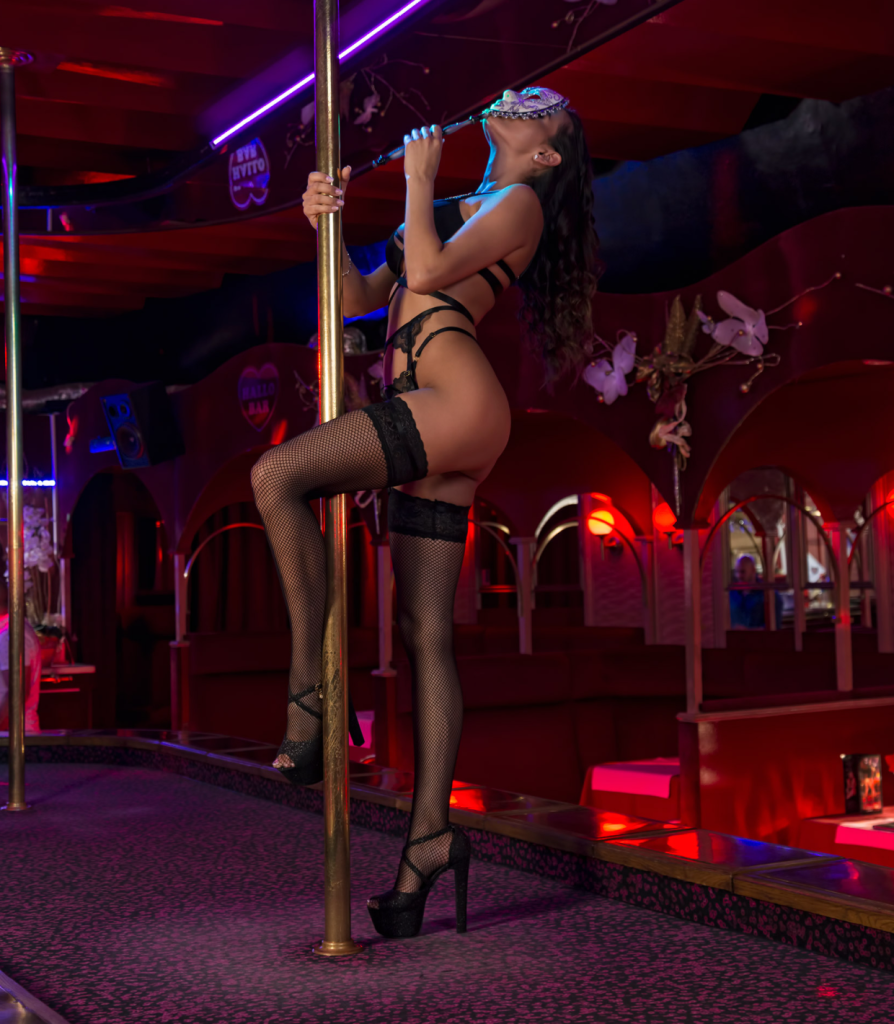
The Importance of Stage Presence
Dancing on stage is a key element of a dancer’s work. In some clubs it may be mandatory, while in others it can significantly increase your earning potential. The stage is your opportunity to attract attention and demonstrate confidence. Many clients request private dances only after seeing a performer in action, which makes your stage presence crucial.
A well-executed performance opens doors to more tips, private dances, and better client interactions. Conversely, a lack of engagement or disinterest can directly impact earnings. Your mindset and positive energy on stage are just as important as the moves themselves.
Connecting with Your Audience
Eye contact and facial expressions are essential. Maintain playful, seductive eye contact with the audience and smile naturally. Even if the audience is small, every person should feel noticed and appreciated. Clients often complain when performers ignore them, which can reduce the chance of tips or private dances.
You don’t need to be a professional or a master pole dancer, but you do need to understand how to move with fluidity and highlight your sensuality. Chaotic or rushed movements can undermine the impression you create. Each motion should appear intentional, graceful, and captivating.
Stage Strategy: Two Songs, Two Focuses
During the first song, focus on scanning the audience, engaging as many viewers as possible with eye contact. Subtle glances that include multiple clients increase the likelihood of tips from more people. Make everyone feel included in your performance.
During the second song, shift attention to the client who seems most engaged. Meaningful eye contact and gestures make this person feel that the performance is personal and exclusive, which often leads to requests for private dances later. This dual-stage strategy helps maximize both visibility and income potential.
Preparation Before Hitting the Stage
If you have a few minutes before your performance, use that time to connect with clients personally. Greet them by name, exchange a few words, and invite them to watch your performance. Clients who feel recognized are more likely to tip generously. Establishing a brief personal connection before the performance creates a foundation of trust and attention.
Maintaining Class and Handling Mishaps
Always behave with elegance. Regardless of the music or unexpected issues, never display frustration or anger. Clients notice every gesture, so handling challenges gracefully reflects professionalism. Minor mishaps, like a slip or a dropped prop, happen to everyone. The key is to respond with humor and confidence, continuing your performance seamlessly. Positive energy often outweighs technical perfection in client perception.
The Role of Simple Moves vs. Skillful Techniques
While mastery of complex pole techniques can be impressive, it is engagement that truly captivates clients. Even simple moves, performed with fluidity and confidence, can create a strong impression. Your goal is to maintain a continuous connection with the audience, which directly translates into tips and opportunities for private dances.
Clients respond to energy and presence more than acrobatics. Consistent, intentional movements, paired with attention to the audience, make every performance memorable. Your focus on interaction will ultimately determine the success of your shift.
Engagement Is Key
Engagement, attentiveness, and a welcoming attitude are essential skills for stage performers. Even if you perfect advanced dance moves, the difference between a good night and an extraordinary night is how well you connect with your audience. By maintaining energy, presence, and approachability, you maximize both enjoyment and earnings.